When I first officially entered franchising full-time back in 2016, the sector now known as “Beauty, Fitness, Health & Wellness” was simply known as “Health & Wellness.”
Fast forward to 2026, and we’re in a drastically different world.
In an era of Botox, longevity, GLP-1s, hormone therapy, red light therapy, and cold plunges, franchising is clearly undergoing another sector revolution.
We saw something similar with boutique fitness and boutique beauty. As consumer interest grew, several highly specialized franchise concepts rushed into the market trying to stake their claim on a specific niche. Some became legitimate categories. Others took years to catch on. Plenty fizzled out.
I believe we’re now somewhere near the peak of that curve for what I’ll broadly call boutique wellness.
I’m still not the biggest believer in the long-term prospects of every concept entering this space, but the sector itself is starting to make more sense every day. For a long time, my biggest challenge was figuring out how to categorize it. Wellness became such a broad term that comparing one brand to another felt almost impossible.
Private equity investment helped change that.
After conversations with bankers who sold these businesses, private equity firms that bought them, and even members of our own PR team, three clearer categories started to emerge: aesthetics, recovery, and longevity.
Aesthetics: High Demand, Difficult Economics
First up is a category that has inspired plenty of private equity interest but relatively few breakout franchise brands: aesthetics.
Medical spas have flooded into franchising over the past several years, all hoping to become the dominant national player in a highly fragmented market.
The consumer demand is clearly there, but the operating model is not easy. High costs, specialized labor requirements, and regulatory complexity make this a much tougher franchise category than it may appear from the outside.
Despite that, VIO Med Spa has found a way to stand out.
While other concepts have struggled to build scale, VIO has continued growing and attracted investment from Freeman Spogli. If you want an example of a brand finding a way to make a difficult category work, VIO is one of the more interesting franchise concepts to watch.
Recovery: The Category That Helped Start the Wellness Boom
Next comes recovery.
Like boutique fitness, this part of the wellness franchise sector really started taking shape just before the pandemic.
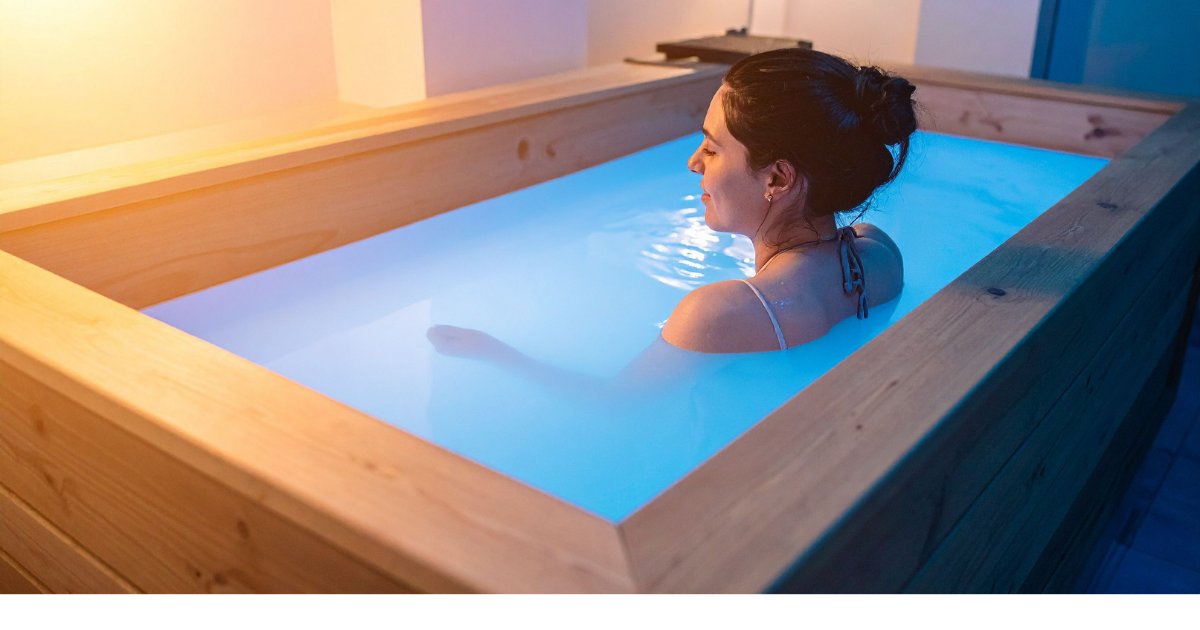
Some concepts focused on more familiar services like acupuncture, assisted stretching, and massage. Others went much more niche with infrared saunas, cryotherapy, IV infusion, float therapy, oxygen therapy, red light therapy, and cold plunges.
For many of these concepts, the challenge was obvious. Equipment and buildout costs could get expensive quickly, while consumers were still learning what many of these treatments actually were.
One brand found a way around both problems: Restore Hyper Wellness.
Instead of betting on one service, Restore put several recovery and wellness modalities under one roof. That broader model gave consumers more reasons to visit and made the brand less dependent on any single treatment.
General Atlantic clearly liked the strategy, investing $140 million in the company.
Consumer awareness has only grown since then. You probably can’t scroll TikTok for very long today without seeing someone climb into a cold plunge.
The bigger question is which wellness franchise brands can turn that awareness into sustainable unit economics.
Longevity: The Category That Could Change Everything
Last, but definitely not least, is the newest category: longevity.
This one still has a very high barrier to understanding. There are plenty of buzzwords, and even defining the sector can get complicated quickly.
Today, many longevity concepts are focused on services like diagnostics, peptides, GLP-1 programs, hormone therapy, recovery, and broader “human optimization.”
The fact that well-known names like Dave Asprey with Upgrade Labs and Gary Brecka with Ultimate Longevity Center are entering the space is at least one signal that there is serious interest behind the category.
But what makes longevity most interesting to me is where I think it goes next.
I’m already starting to see longevity concepts expand toward recovery and aesthetics, which makes me think these three categories may eventually start blending together.
That makes sense from the consumer perspective. People don’t necessarily think in terms of “aesthetics,” “recovery,” and “longevity.” They want to look better, feel better, recover faster, and stay healthier longer.
A concept that can address several of those needs under one roof could create a much stickier relationship with the customer than a business built around one highly specific treatment.
That’s where I think the real opportunity may be.
Why I’m Watching Boutique Wellness
I’m still cautious about boutique wellness as a franchise category.
We’ve seen plenty of emerging sectors attract a wave of new concepts before franchisee economics and consumer behavior determine which brands actually have staying power.
But I also think dismissing this entire sector as a collection of trendy treatments would be a mistake.
Aesthetics has proven there is significant consumer demand. Recovery has moved much closer to the mainstream. Longevity is beginning to combine many of these behaviors into a broader proposition around how people want to look, feel, and age.
Private equity is paying attention, franchise brands are continuing to enter the space, and I expect plenty more movement before the category fully settles.
The big question is which concepts can turn consumer interest into a scalable franchise model.
Those are the brands I’ll be watching.
Next month, I’m diving into your dad’s favorite industry: outdoor home services.
How did this once-sleepy franchise sector become one of private equity’s favorite roll-up targets?
More on that next month.