
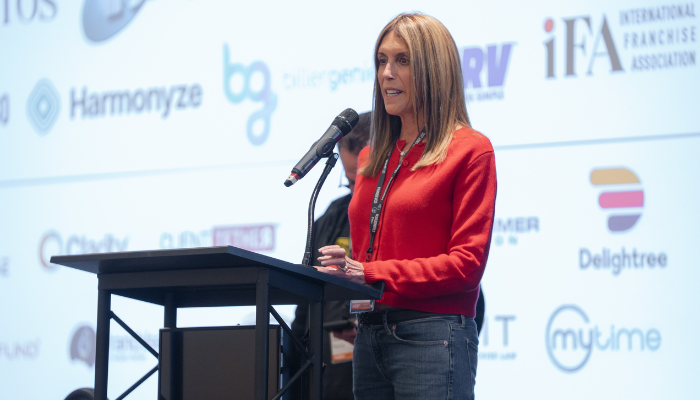
Thirty-five years ago, starting a PR agency looked very different than it does today. There was no internet, social media, or AI. If I wanted to send a press release, I walked over to the fax machine and hoped it reached the right newsroom. Building media relationships meant countless phone calls, handwritten notes, and showing up consistently until people knew they could trust you.
The tools have since changed almost beyond recognition, but the most important lessons have not. As Fishman PR celebrates 35 years of working exclusively with franchise brands, I’ve spent a lot of time reflecting on what it took to build the business, what helped us endure, and why many of those same principles still guide our team today. For more than three decades, we’ve helped founders build credibility, strengthen their reputations, and connect with prospective franchisees, consumers, and other industry stakeholders.
Here are three lessons that have stayed with me since day one:
1. Relationships Will Always Outlast Technology
When I started Fishman PR in 1991, PR was a relationship business in every sense of the word. Editors knew your voice before they knew your email address because there wasn’t one. Reporters answered their own phones. Building trust happened one conversation at a time.
Today, we pitch through email, connect on LinkedIn, and monitor conversations in real time. Technology has made communication faster. It hasn’t made relationships less important. In fact, I’d argue they’ve become even more valuable. Anyone can send a pitch, but very few people take the time to understand what a journalist needs, what matters to a founder, or how to build credibility over years instead of weeks.
Some of our clients have been with us for decades. Many have become close friends. That doesn’t happen because of software, but because people remember who showed up consistently, told the truth, and had their back when it mattered.
2. Being Scrappy Isn’t Just for Startups
The early years weren’t glamorous.
We were a small agency trying to earn every client and every opportunity. There wasn’t a blueprint to follow. We figured things out one challenge at a time. You learn to be resourceful when every dollar matters.
That mindset never really leaves you. Even as we’ve grown, I’ve never wanted Fishman PR to lose that entrepreneurial spirit. We still approach every client like we have something to prove. We still ask ourselves how we can create opportunities instead of waiting for them to appear.
Being scrappy has very little to do with the size of the company. It is a mindset rooted in curiosity, adaptability, and the willingness to find a way forward when there is no obvious blueprint.
For a franchise PR agency, that entrepreneurial mindset matters. Emerging franchise brands rarely have unlimited budgets, endless news, or perfectly defined communications strategies. They need partners who can uncover the strongest stories, make smart use of available resources, and adjust quickly as the business evolves.
3. Franchising Has Changed, but the Importance of Trust Hasn’t
When we started, franchising was a much smaller industry.
Media coverage looked different. Franchise development looked different. Even the way founders communicated with prospective franchisees has completely evolved. Today, founders have podcasts, newsletters, social media channels, and dozens of ways to tell their stories directly.
They are also communicating with more audiences at once. A franchise brand must build trust with prospective franchisees, consumers, current franchise owners, employees, investors, lenders, and industry media. Each audience has different questions, but all of them are evaluating the credibility of the people behind the brand.
That is what makes franchise public relations different from traditional PR. Visibility matters, but it must be supported by a consistent story about the founder, the business model, the franchise opportunity, and the values guiding the company’s growth.
But one thing hasn’t changed: people still invest in people before they invest in brands. Whether someone is considering buying a franchise, joining a leadership team, or partnering with a company, they’re asking the same fundamental question they were asking 35 years ago: “Can I trust these people?”
That’s why storytelling matters. Not because it generates headlines, but because it helps people understand who you are, what you believe, and why they should believe in you. The platforms have changed. Human nature hasn’t.
The Lesson Behind All Three
When I think back to those first years, I don’t remember the fax machine or the long hours as much as I remember the people: the founders who took a chance on us, the reporters who answered another phone call, and the clients who stayed with us through different stages of growth.
Building a business has never been about chasing the newest platform or following every trend. It is about earning trust one relationship at a time and continuing to show up when the tools, market, and expectations inevitably change.
Thirty-five years later, that remains the philosophy behind everything we do at Fishman PR. The technology will keep evolving, but strong relationships, honest counsel, and meaningful storytelling will continue to define the most effective franchise public relations strategies.
For founder-led franchise brands evaluating their next stage of growth, the right PR partner should bring more than media contacts. They should bring experience, perspective, and a genuine investment in the people behind the brand.
Frequently Asked Questions
What makes franchise PR different from traditional public relations?
Franchise public relations must support several audiences at once, including prospective franchisees, consumers, current franchise owners, employees, investors, and industry media. A strong franchise PR strategy builds brand awareness while also strengthening confidence in the franchise opportunity and the leadership team behind it.
Why do relationships matter in public relations?
PR depends on trust between agencies, clients, journalists, and audiences. Technology can make outreach and research faster, but it cannot replace the credibility that develops through consistent communication, honest counsel, and long-term relationships.
What should an emerging franchise brand look for in a PR agency?
Emerging franchise brands should look for an agency that understands the franchise business model, communicates honestly, knows how to reach both consumer and franchise development audiences, and can adapt its strategy as the brand grows.