
Fall conference season has always been one of the best ways to take the temperature of the franchise industry.
Formal presentations certainly matter, but some of the most valuable insights come from the conversations happening between sessions, over dinner, and in hotel lobbies. Those are often the places where franchise founders and executives talk candidly about what is working, where they are feeling pressure, and which challenges are occupying more of their time than they expected.
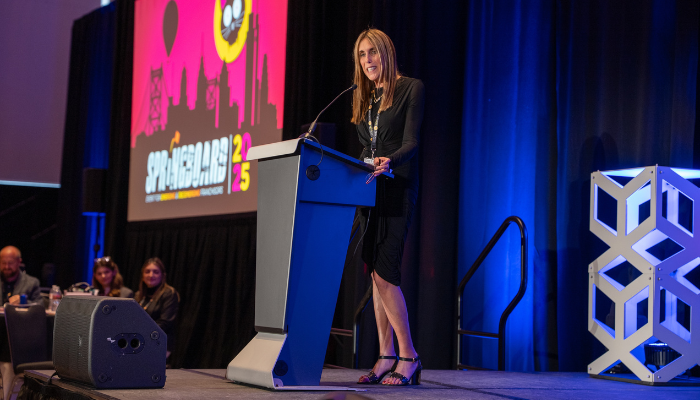
This fall, the Fishman PR team will be on the ground at several major franchise and restaurant industry events, including QSR Evolution, Franchise Springboard, the IFPG Retreat, the Franchise Leadership & Development Conference, and the Restaurant Finance & Development Conference.
Each serves a different corner of the industry, which is exactly what makes the season so interesting. We will hear from emerging franchisors, established systems, franchise development leaders, restaurant executives, consultants, investors, suppliers, and operators. Taken together, those conversations provide a useful snapshot of where franchising is headed.
We already have a few topics we expect to hear a lot about. More importantly, we are paying attention to how the conversation around each one is changing.
AI Is Moving From Curiosity to Accountability
It would be nearly impossible to attend a business conference in 2026 without hearing about artificial intelligence.
That alone is not particularly interesting anymore.
What we are watching now is the shift from experimentation to accountability. Franchise executives have spent the past several years testing AI tools across marketing, operations, sales, customer service, training, and franchise development. The next question is becoming much more practical: What is actually working?
We expect the most valuable conversations this fall to focus less on what AI could do and more on where it is creating measurable value. Which workflows are becoming faster? Which tools are improving decision-making? Where are teams saving money or producing better work? And where has the excitement around AI gotten ahead of the results?
For communications teams, there is another layer to this conversation. AI is changing how people discover and evaluate brands.
Prospective franchisees can now use tools like ChatGPT, Gemini, Claude, and AI-powered search experiences to research franchise opportunities, compare brands, understand leadership teams, and gather information before ever visiting a franchise development website.
That makes a brand’s broader digital reputation increasingly important.
Earned media, executive thought leadership, owned content, website information, and other credible third-party references all contribute to the body of information available about a franchise brand online. As generative engine optimization, or GEO, becomes a larger part of search strategy, franchise public relations has an increasingly important role in shaping whether a brand is visible, credible, and clearly understood.
We will be listening closely for how franchise leaders are incorporating AI into the business while maintaining the judgment and human oversight required to use it well.
Franchise Development Is Becoming a Quality Conversation
For a long time, franchise development discussions tended to begin with volume.
How many leads are we generating? How many discovery days are scheduled? How many deals can we close?
Those metrics still matter, but the conversation is becoming more nuanced.
Franchise growth only creates value when the right people enter the system and have a realistic opportunity to succeed once they get there. That puts more pressure on brands to think about the entire franchise development journey, beginning with the way candidates first discover the company and continuing through qualification, sales, onboarding, opening, and ongoing franchisee performance.
From a communications perspective, this changes what effective franchise development marketing looks like.
Visibility alone is not enough. Prospective franchisees need enough credible information to understand the business, leadership team, culture, expectations, and opportunity before they make one of the largest financial decisions of their lives.
That is one reason founder visibility, educational content, earned media, franchisee stories, and consistent messaging have become so closely connected to franchise development.
We expect to hear more conversations this fall about improving the quality of candidates rather than simply increasing the quantity of leads. For emerging franchise brands in particular, that distinction can have an enormous impact on the health of the system over time.
Unit Economics Will Remain at the Center of Growth Conversations
Growth is exciting. Sustainable growth is harder.
As we move between conferences focused on franchise development, restaurants, emerging brands, and finance, one question will sit underneath many of the conversations: Does the business model work at the unit level?
Franchisees ultimately need healthy businesses. Franchisors need systems that can support growth. Investors and lenders need confidence in the economics behind expansion. Prospective franchisees are becoming more sophisticated about evaluating the financial realities of the brands they consider.
That makes unit economics relevant far beyond the finance department.
For communications professionals, understanding those economics is essential because business performance determines which growth stories are meaningful and credible. Location counts and development agreements can create attention, but experienced audiences increasingly want to understand the substance supporting those announcements.
We expect the fall conference circuit to include plenty of conversations about expansion, capital, real estate, development pipelines, and investment. We will be paying just as much attention to the conversations about franchisee profitability, operating costs, and what healthy growth actually looks like.
A bigger system is not automatically a stronger one.
Founder Visibility Is Becoming Part of the Growth Strategy
One of the clearest shifts we have seen across franchise communications is the growing importance of the people behind the brand.
Prospective franchisees are not evaluating a logo in isolation. They are evaluating the leadership team they may spend the next decade working alongside.
That makes founders and executives powerful communications assets.
A strong founder presence gives prospective franchisees a clearer understanding of where the company is going, how leadership thinks, what the organization values, and whether the people running the system seem like people they can trust.
That visibility can take many forms. It may come through earned media, keynote presentations, podcasts, LinkedIn thought leadership, industry commentary, webinars, or interviews on the company’s own channels.
The goal is not to turn every founder into an influencer.
It is to make leadership visible enough that the people evaluating the business can understand who is behind it.
Conference season creates an especially valuable opportunity for that kind of visibility because executives are already surrounded by industry conversations. The strongest leaders do more than attend. They contribute something useful to the discussion.
We will be watching which founders and executives are shaping those conversations this fall and what separates thoughtful industry leadership from simply adding more content to the feed.
Responsible Growth Is Becoming Harder to Separate From Reputation
The franchise industry’s reputation is built one brand and one franchisee relationship at a time.
That makes responsible franchising more than an operational or legal conversation. It’s also a reputation issue.
How brands recruit franchisees, set expectations, support their systems, communicate challenges, and respond when things do not go according to plan all influence how the company is perceived by prospective owners and the broader franchise community.
This matters particularly for emerging brands.
Early growth can create tremendous momentum, but it can also expose weaknesses quickly. Signing franchise agreements faster than the infrastructure can support them may look impressive in the short term while creating much larger problems later.
We expect responsible growth to remain an important theme during fall conference season, particularly as franchisors compare notes on development strategy, franchisee support, leadership, and system health.
From a PR perspective, the takeaway is straightforward: reputation cannot be separated from operations.
The strongest storytelling in the world cannot compensate for a franchise system that is not delivering on its promises. The best communications strategies begin with a business that gives people something credible to talk about.
In-Person Relationships Still Matter
Perhaps the least trendy thing we are watching this fall is also one of the most important.
People still want to be in the same room.
The franchise industry has always been unusually relationship-driven. Deals happen because people trust each other. Referrals happen because someone is willing to put their reputation behind a recommendation. Partnerships develop because two people spent enough time together to realize they see the business the same way.
Technology has made it easier to stay connected, but it has not eliminated the value of being together in person.
That is why conference season matters beyond the programming.
A great panel might introduce an idea. The conversation afterward is often where someone figures out what that idea means for their own business.
We see the same dynamic in public relations. The tools we use have changed dramatically over 35 years, but relationships remain at the center of the work. Knowing the industry, understanding the people in it, and being present for the conversations that matter gives our team context we could never get from reading reports behind a desk.
Sometimes the most valuable thing we bring home from a conference is not a trend.
It is a better understanding of what people are actually thinking about.
What We’ll Be Listening for This Fall
Heading into the fall franchise conference season, we are less interested in predicting the next buzzword than understanding which changes are becoming permanent.
We will be listening for how brands are moving AI from experimentation into practical use, how franchise development teams are balancing growth with candidate quality, how economic realities are influencing expansion plans, and how founders are using their own voices to build trust.
We will also be paying attention to what surprises us.
That is one of the reasons Fishman PR has continued investing heavily in industry events after more than 35 years exclusively serving franchise brands. Effective franchise public relations requires understanding the business conversations happening around our clients, not simply the stories they ask us to pitch.
The better we understand what franchise founders, operators, development leaders, investors, and other stakeholders are talking about, the better counsel we can provide.
And by the end of conference season, we expect to have a few new opinions.
Frequently Asked Questions
What franchise industry trends should brands watch in 2026?
Key areas to watch include the practical adoption of AI, generative engine optimization and changing search behavior, franchisee economics, candidate quality, founder visibility, integrated communications, and responsible franchise growth. The impact of these trends will vary by brand, making it important for franchise leaders to evaluate them within the context of their own business model and growth strategy.
Why are franchise conferences important for PR and marketing teams?
Franchise conferences give communications and marketing teams direct exposure to the conversations shaping the industry. They provide insight into the priorities of franchisors, franchise development executives, operators, investors, consultants, suppliers, and other stakeholders. That context helps PR teams identify relevant stories, advise clients more strategically, and understand how industry sentiment is changing.
How can franchise brands use conference attendance to build visibility?
Conference attendance can support executive visibility through speaking opportunities, media interviews, thought leadership content, networking, and post-event commentary. Brands can create more value from conferences when executives contribute meaningful perspectives to industry conversations rather than treating attendance solely as a networking or sales opportunity.
Why does founder visibility matter in franchise development?
Prospective franchisees are evaluating both the business opportunity and the leadership team behind it. Consistent executive visibility can help candidates understand a founder’s experience, values, vision, and approach to franchisee relationships, giving them additional context as they evaluate whether a brand is the right fit.
Follow Along This Fall
Fishman PR will be on the ground throughout fall conference season, gathering insights from some of the franchise and restaurant industry’s most important events and sharing what our team is hearing along the way.
For founder-led franchise brands, staying ahead of industry change requires more than following headlines. It requires understanding the conversations shaping what comes next.
Learn more about how Fishman PR helps franchise brands build visibility, credibility, and reputation through strategic franchise public relations.